Local Roofing ServicesLocal ServiceFree Quotations
Local roof repair specialists
Professional Dry Verge / Ridge
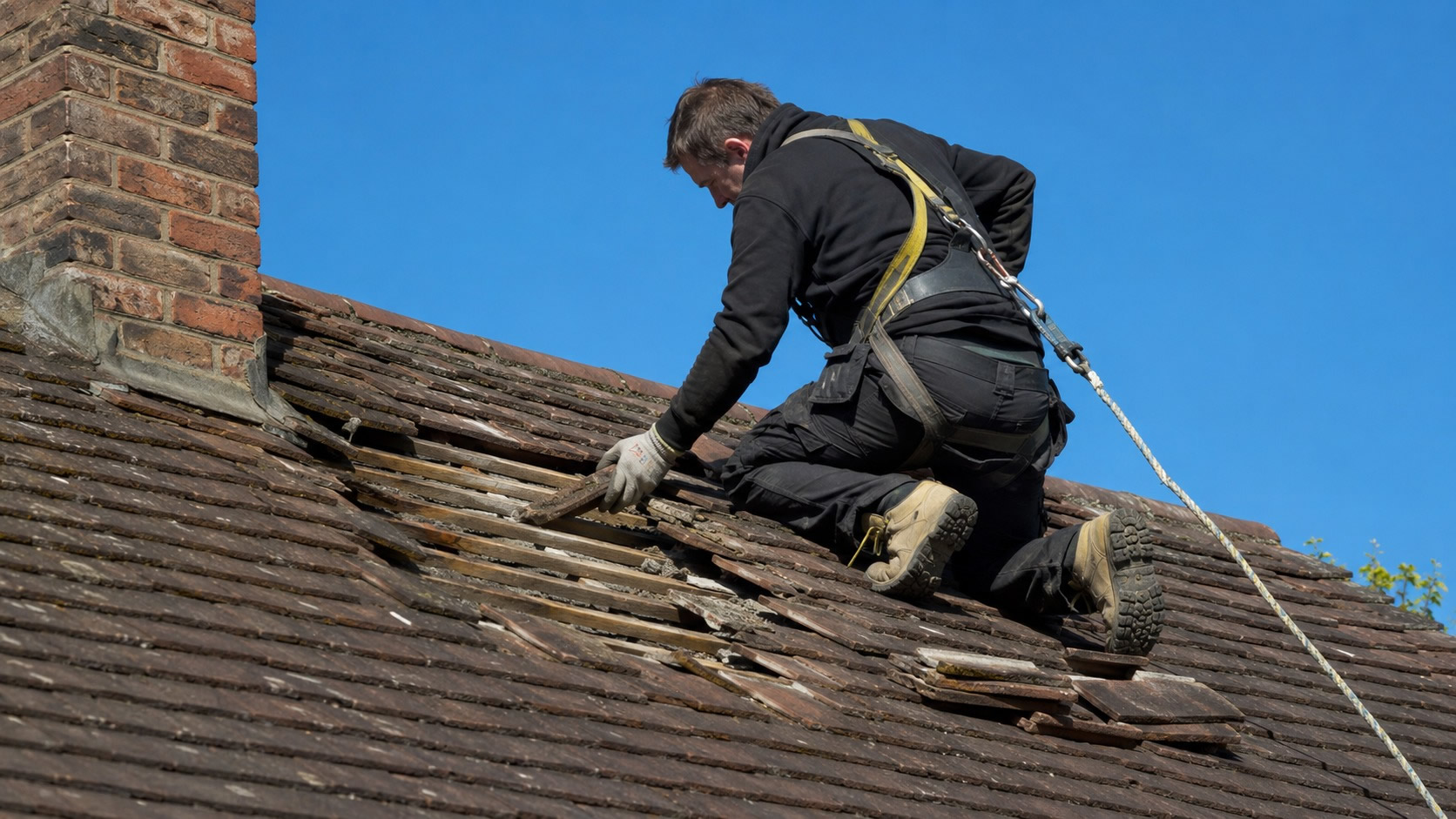
Targeted repairs for leaks, storm damage, slipped tiles, broken slates, defective flashing, ridge problems and other common roofing faults. We focus on identifying the cause, protecting the surrounding roof and completing a practical repair designed to last.
Roof repair services
Roof leak investigation and water-entry tracing
Slipped, cracked and missing tile replacement
Broken, loose and weathered slate repairs
Storm and wind damage repairs
Ridge tile, hip tile and verge repairs
Lead flashing, soaker and abutment repairs
Chimney flashing and roof-junction repairs
Valley, gutter and roof drainage repairs
Flat roof patch repairs and localised renewal
Emergency temporary weatherproofing where appropriate
Why choose ATHLONE ROOFING?
A roof leak is not always directly above the visible damp patch. Water can travel along underlay, battens, rafters and roof junctions before appearing inside. Our repair service is therefore based on careful assessment rather than simply covering the first visible defect.
We explain what appears to be causing the problem, which areas require attention and whether a focused repair is likely to be suitable. Where wider deterioration is present, we will explain that clearly rather than disguising a larger issue with repeated temporary work.
Customers receive straightforward communication, practical recommendations and a clear route from enquiry to inspection and quotation.
Common roof problems we repair
Water stains on ceilings or upper walls
Damp around chimney breasts and fireplaces
Tiles or slates found on the ground
Loose ridge tiles after strong winds
Cracked mortar at ridges, hips or verges
Split, lifted or poorly detailed flashing
Blocked valleys causing water to back up
Leaks around roof windows, vents and pipes
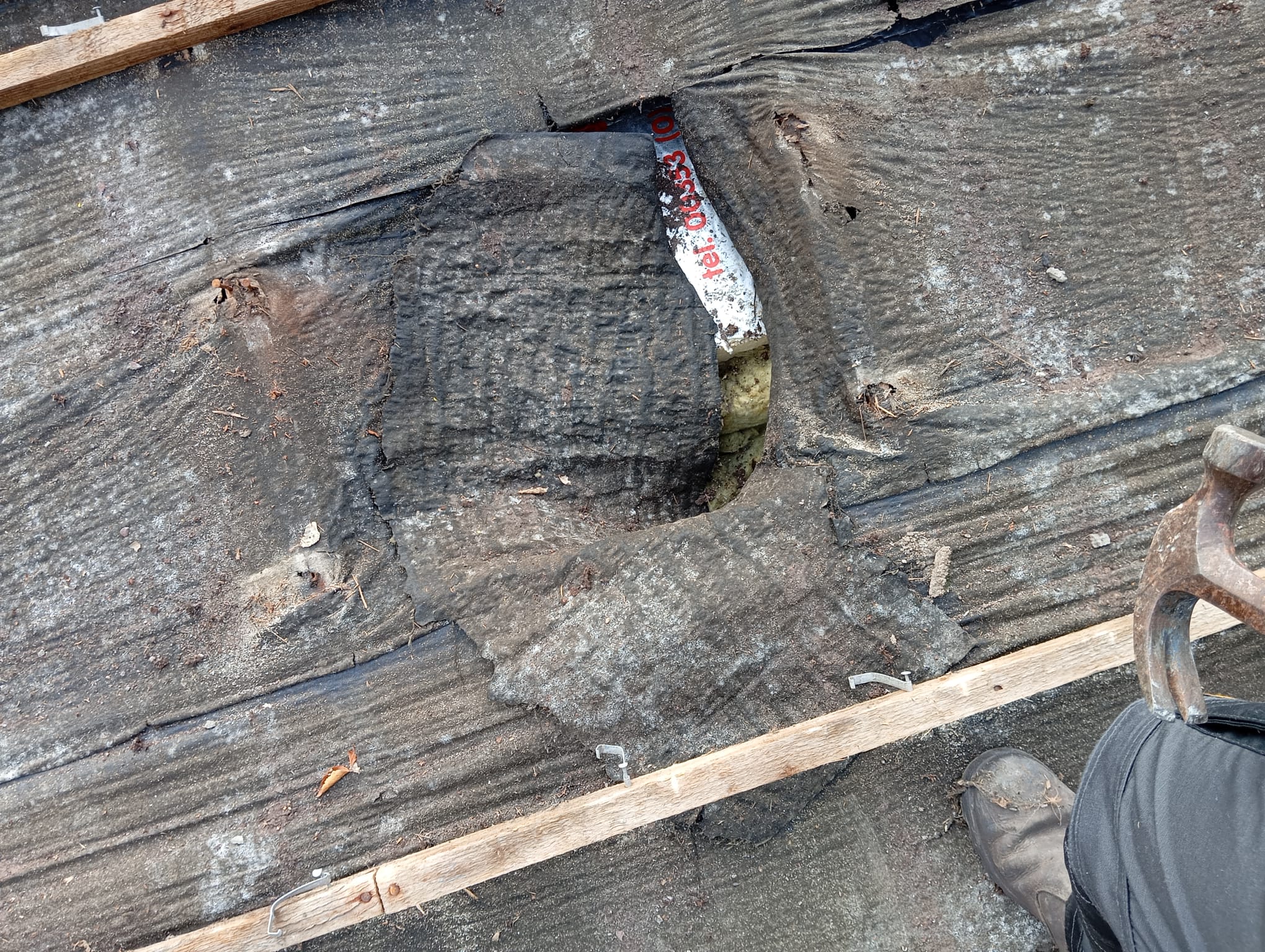
Damaged underlay visible from the loft
Recurring leaks after previous patch repairs
Benefits of timely roof repairs
Acting early can limit water damage to insulation, ceilings, decoration and roof timbers. A small defect can become more expensive when repeated rainfall reaches hidden parts of the roof structure.
Professional repairs can help preserve serviceable tiles and slates, reduce the risk of internal damp, restore weather protection and extend the useful life of the existing roof.
Early attention is particularly important after storms, when displaced materials and loosened fixings may leave the roof vulnerable to the next period of bad weather.
InvestigatedWe look for the likely source of the roofing fault
ExplainedClear advice on the repair and surrounding roof condition
ProtectedRepairs focused on restoring reliable weather protection
Detailed service
Roof leak detection and repair
Visible water damage is often the final sign of a defect that began elsewhere on the roof. Finding the route taken by rainwater is a vital part of a successful repair.
Leak investigation
We assess likely entry points such as slipped coverings, broken tiles, failed leadwork, valleys, ridges, roof windows, vents and chimney junctions. The surrounding area also matters because water can travel before entering the property.
Targeted repair
Once the likely cause has been established, the repair can be planned around the defective component rather than relying on excessive sealant or an unsuitable surface patch.
Surrounding roof check
Nearby tiles, slates, fixings, mortar and flashing are considered because a repair can fail prematurely when adjacent deterioration is ignored.
Internal warning signs
Ceiling marks, damp smells, peeling paint, wet insulation and daylight visible from the loft can all justify a professional roof assessment.
Repair types
Roofing faults we can assess
Different roofing materials and junctions fail in different ways. The correct repair depends on the roof covering, age, pitch, exposure and condition of the surrounding area.
Tile roof repairs
Replacement of slipped, cracked or missing concrete and clay tiles, together with checks to battens, clips, nails and surrounding courses where accessible.
Slate roof repairs
Local slate replacement, fixing repairs and attention to slipped or fractured slates while protecting the appearance and layout of the existing roof.
Ridge and hip repairs
Repairs to loose, cracked or displaced ridge and hip tiles, including assessment of failed mortar or existing dry-fix components.
Verge repairs
Attention to exposed roof edges where mortar, tiles, undercloak or dry-verge components have become loose or weathered.
Leadwork repairs
Repairs to chimney flashing, step flashing, soakers, valleys and abutments where splits, lifting, poor detailing or age-related movement are allowing water entry.
Valley repairs
Investigation of leaking, blocked or deteriorated roof valleys, including surrounding tiles, lining material and water-flow routes.
Flat roof repairs
Local repairs to suitable felt or membrane roofs, including splits, failed laps, edge details, outlets and penetrations where a targeted repair remains practical.
Storm damage
Assessment of wind-lifted coverings, impact damage, loosened ridge components and exposed areas following severe weather.
Our approach
How the roof repair process works
A structured process helps move the enquiry from visible symptoms to a sensible repair recommendation.
1
Initial enquiry
Tell us where the problem is visible, when it occurs and whether the issue followed a storm or has developed gradually.
2
Property assessment
The affected roof area and relevant internal signs are considered, subject to safe access and site conditions.
3
Cause identification
Likely defects and water routes are reviewed rather than treating only the visible internal stain.
4
Repair recommendation
We explain the proposed work, affected components and whether a local repair appears proportionate.
5
Repair work
Damaged roofing materials are repaired or replaced as agreed, with attention to adjacent details.
6
Final checks
The completed area is checked visually and the customer is advised of any wider maintenance concerns noticed during the work.
Repair or replacement?
When is a local roof repair suitable?
A focused repair can be cost-effective where the defect is localised and the surrounding roof remains serviceable. It may be less suitable where failure is widespread.
A repair may be appropriate when
Only a small number of tiles or slates are damaged
A specific flashing or valley detail has failed
Storm damage is confined to one area
The roof covering is generally sound
The defect can be accessed and repaired without disturbing large areas
Previous maintenance has otherwise been effective
Wider work may need consideration when
Leaks are occurring in several unrelated locations
Large areas of tiles, slates or battens are deteriorated
The underlay has failed extensively
Repeated repairs are no longer providing value
Ridge, verge, valley and flashing defects are widespread
The roof has reached the end of its practical service life
Customer benefits
Why a professional roof repair matters
Protects the roof structure
Stopping water entry can help protect rafters, battens, decking and other concealed roofing components from prolonged damp.
Limits internal damage
Early action can reduce the likelihood of stained ceilings, damaged plaster, wet insulation and redecorating costs.
Preserves existing materials
A targeted repair may allow otherwise serviceable tiles, slates and roof details to remain in use.
Improves weather resistance
Correctly repaired coverings and junctions help the roof shed rainwater and resist wind-driven weather.
Reduces repeat call-outs
Investigating the likely cause is more valuable than repeatedly sealing the same visible area without addressing the underlying defect.
Provides clearer planning
A professional assessment can help distinguish urgent repair work from maintenance that can be planned separately.
Roof repair questions
Frequently asked questions
Useful guidance for homeowners dealing with leaks, storm damage and ageing roof components.
How do I know where a roof leak is coming from?
The internal damp mark may not sit directly below the defect. Water can travel along underlay, rafters and roof junctions, so the likely route must be assessed.
Can one slipped tile cause a leak?
Yes. A displaced tile can expose the underlay and battens, particularly during wind-driven rain. The surrounding tiles and fixings should also be checked.
Do you repair slate roofs?
Slate repairs can include replacing broken or slipped slates and addressing local fixing issues, subject to the condition and accessibility of the roof.
Can damaged ridge tiles be repaired?
Loose or cracked ridge tiles may be repairable. The appropriate work depends on whether they are mortar-bedded, mechanically fixed or part of a dry-ridge system.
Why does my roof only leak in heavy rain?
Wind direction, rainfall intensity and overflowing drainage details can expose defects that remain dry during lighter weather.
Can flashing around a chimney be repaired?
Yes, chimney flashing and soakers can often be repaired or replaced where deterioration is localised and the surrounding roof remains sound.
What should I do after storm damage?
Keep clear of fallen materials and do not climb onto the roof. Contact a roofing professional and provide photographs taken safely from ground level where possible.
Is a temporary roof repair permanent?
No. Temporary weatherproofing is intended to reduce immediate water entry until a suitable permanent repair can be completed.
Can a flat roof be patched?
Some local defects can be repaired, but the suitability of a patch depends on the roof material, moisture beneath the covering and the wider condition of the system.
Will a roof repair stop internal damp immediately?
Once the water source is stopped, existing materials may still need time to dry. Internal staining or damaged plaster may require separate remedial work.
Why has a previous roof repair failed?
Possible reasons include treating the wrong entry point, using incompatible materials, ignoring surrounding deterioration or relying on sealant where proper detailing was needed.
Do all leaks mean I need a new roof?
No. Many leaks arise from local defects. Replacement becomes more relevant when deterioration is extensive, recurring or affecting multiple roof components.
Can blocked gutters cause apparent roof leaks?
Yes. Overflowing gutters and blocked outlets can send water behind fascias, into eaves or over vulnerable roof edges.
Are emergency repairs available?
Urgent attendance depends on availability, weather, access and safety. Calling directly is the quickest way to explain an active leak or storm-related problem.
What information should I provide?
Give the property area, where the leak is visible, when it started, whether it follows certain weather and any safe photographs of the affected area.
Can roof repairs be done in bad weather?
Some temporary protective measures may be possible, but permanent work often requires suitable weather and safe working conditions.
Recent Work
Roof Repairs Gallery
Scroll through photographs from our roof repairs work.
ingress-bound due to dropped roof felt, causing rainwater to run behind the timber fascia rather than safely into the gutters."24/7 emergency roof repairs near me."
Video Gallery
Roof Repairs Videos
Scroll through project videos uploaded for this service.
We replaced the failed fixings with new stainless steel dry ridge fixings and secured all ridge tiles. Roof now fully secured and weatherproof. Job by Athlone Roofing & PVC.Inspection found loose ridge caps. The existing dry ridge system had failed fixings allowing movement. Common cause of rattling and leaks
Fast response
Request a free roofing quote.
Clean, simple and quick. Send the basics and ATHLONE ROOFING will receive the enquiry straight away.
Your written quotation must identify the legal trader, any applicable company registration and VAT details, the work, materials, total price including applicable taxes, payment stages and cancellation information. Ask for these details before accepting a quotation. A website enquiry is not a contract or appointment.
Service area and inspections
We accept enquiries from Athlone and surrounding areas. Please provide your town or Eircode so that availability can be confirmed. Free quotations and drone roof inspections are subject to suitability, safe access, weather, lawful flight conditions and appointment availability. No purchase is required for an inspection described as free. Any separately chargeable survey or work must be explained and agreed in advance.
Images, testimonials and claims
Images on the website illustrate roofing and exterior services; an image alone does not verify that a particular job was completed by this business. Ask for relevant project references, current insurance evidence and the written scope of any guarantee. Website reviews publish after email confirmation and a genuine-experience declaration. Email confirmation does not independently verify a purchase. See our review policy for checks, reporting and moderation.
Complaints
Please contact info@athloneroofingpvc.ie or 085 244 7344. Postal correspondence: Moydrum Business Park, Moydrum Road, Athlone, Co. Westmeath, Ireland. Describe the work, relevant dates and the outcome you are seeking. This does not restrict your statutory remedies. You can obtain independent consumer information from the Competition and Consumer Protection Commission.